Life in the Times of Coronavirus: Lockdown Day 13
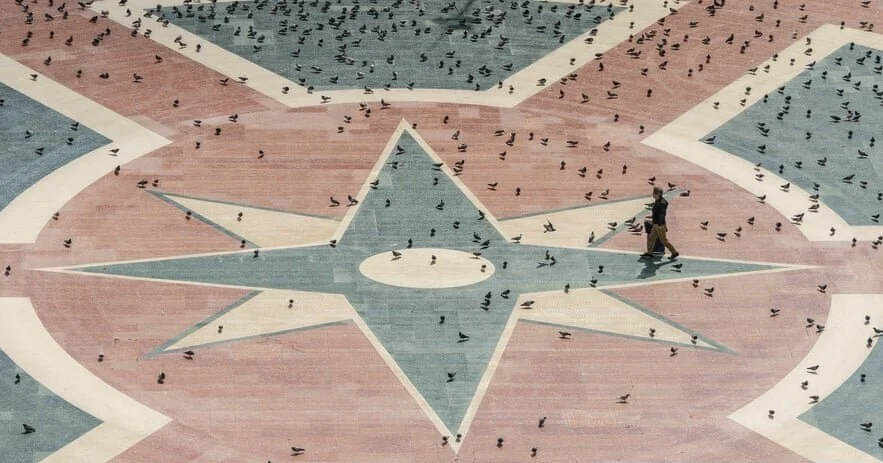
Plaça Catalunya, the main square in Barcelona, eerily deserted during the coronavirus pandemic.
Of course, not every day feels full of hope. Some days it is difficult to remember that the coronavirus pandemic is temporary, that it will perhaps one day vanish from our world as quickly as it upended it. There are nights when – hearing my husband’s breathing as he dreams next to me, feeling the cat as it nestles against my leg for warmth – I stare up at the ceiling, straining to recall what life was like before the pandemic hit Spain. Everyday, human interaction has taken on a hazardous tinge, having become infected with dirty words like transmission or contagion. Crowded summer concerts, packed restaurant terraces, trains cramped so tight their cologne stings your eyes – I feel like I see everything these days, even my memories, through the prism of COVID-19.
As I drove home from the grocery store earlier this week, I found myself to be getting increasingly upset. Mounting frustration and stress over the worsening situation, as well as the hassle of needing to don gloves and a mask for tasks so simple as buying some fruit from the downstairs shop had been gnawing away at me for days. The week before all this went down, I’d been making small talk about the weather with the guy who runs that particular fruit shop. I pressed the keys on the PIN pad, gave him a friendly handshake, all without thinking much about it. Now his gaze, framed by his blue surgical mask and thick glasses, is full of suspicion; he examines my face for any kind of infection, darting to my nose, my cheeks, my eyes.. He does not take the money I offer him, instead points with his gloved hand to the credit card machine which must be used instead. And when I left, picking up the few miserable bananas that I would wash at home before consuming, he sprayed down the counter and keypad with a fury.
Much to my chagrin, venturing outside didn’t bring the relief I’d hoped for. I managed to find everything I needed and I got in and out as quickly as I could. I touched only what I had to and knew that I’d wipe everything down the moment I got home. And yet, much to my frustration, the specter of infection remained: Had I been careful enough? Did I touch anything that I shouldn’t have? That guy about 5 meters from me sneezed into his tissue. I didn’t get too close, right? As I pulled into the garage that day, carefully threading my gray car through the equally gray concrete pillars, I went over my every movement. My nose itched; did I scratch it and not even notice?
I pulled into my spot. I set the parking brake, turned off the car, and readjusted the eggs and loaf of bread that I’d placed in the passenger seat. I took off my seat belt and caught sight of myself in the rearview mirror: beanie pulled taut around my ears, glasses nearly pressing into my eye socked. My beard itched, but I dared not scratch it, especially not with my potentially contaminated gloves. I was sweating, and the mask I was wearing was beginning to stick to the sides of my mouth. I could taste the cheap paper beginning to peel away.
I knew that I was simply taking steps to protect myself and my loved ones, but I couldn’t also help feeling ridiculous. I’d become one of those people, I thought bitterly; all I’m missing is the tinfoil dunce cap. Despite my extensive university education, despite all the books I’d read, despite all the information I’d compiled over the last few weeks, I felt, at least in some ways, that fear had gotten the best of me.
As I pulled on the handle to open the car door, the glove somehow became caught. I pulled lightly, then pushed again, hoping it would come free, but it was still pinched in the plastic. My heart began to race, my mind began to cloud, and I yanked my hand free, ripping the glove in the process.
And I began to cry. I was going to write “I inexplicably began to cry” but the stress, and the frustration, of the situation became overwhelming. I beat the steering wheel mercilessly, and because its black leather resisted my every blow indifferently, I became even angrier. Sitting in my car in the empty garage, I screamed as loudly as I could. I was furious, an intense rage that tastes like bile, surge out of me in ways I had not experienced in many years. I felt the paper mask begin to fall off, and I didn’t care. For a moment, I even thought of the relief of becoming infected, of succumbing and simply getting it over with so that I wouldn’t have to be afraid anymore. I was sick of latex and masks and sanitizer. I let the tears fall and simply sat in my car, the door half open, the interior light overhead having faded long ago.
I’ve always prided myself on my emotional stability and the sheer strength of my resolve, all of which is bound together by my overarching sense of resilience. I am, by nature, a stubborn optimist. I never let things get to me, never let the situation control me, never falter in my conviction that everything will be okay.
That morning, though, I felt that everything I knew about myself had been called into question. Instead of stability, I felt shaky and unpredictable. The optimism I’d been feeling had been distilled, leaving only bleak shards of gloom. The world, which had once felt so secure and permanent, was falling all around me.
I let my tears dry. (Despite my grief, I was vigilant about touching my face.) And little by little, I picked myself up. I gathered up the groceries that I’d stacked in the passenger seat and got out of the car. I opened the trunk and took out more bags and thought about how much I needed to release everything that was brewing inside me. A simple act – giving myself permission to not be okay, to break down for a moment, to admit that this is bigger than me, bigger than all of us – was just what I needed. I felt the optimism begin to bloom once more.
I walked up the stairs to the street and opened the door into the bright springtime sun. I made my way through empty streets to my flat and passed the fruit shop. The cashier, the same one that I make small talk with, was sitting on a bench, smoking. There were no customers.
He waved; I waved back.
It’s nice out today, he said. He stretched further onto the bench. Nothing can stop the spring.
Indeed, I said.
I opened the door to my building and looked back at him. The sun illuminated every part of the street, and for a moment, just for a moment, the world seemed to be falling back into place.