Life in the Times of Coronavirus: Lockdown Days 33-36
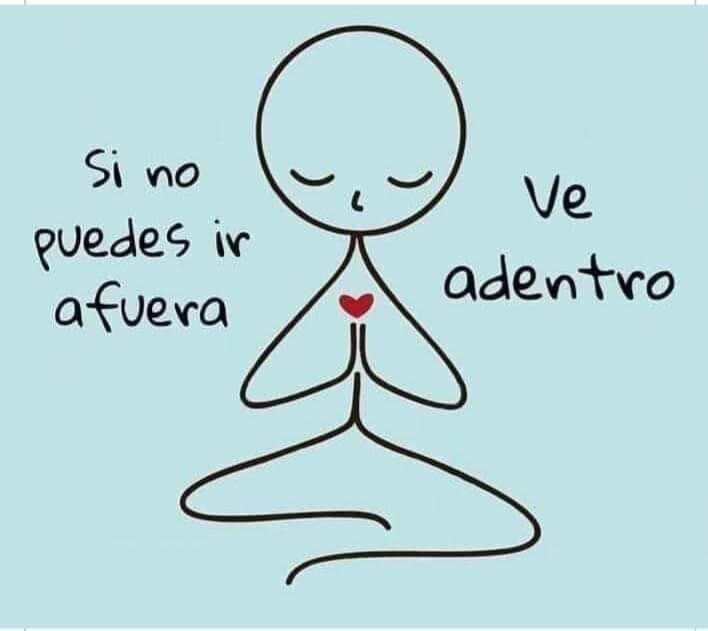
“If you can’t go outside, go within instead.”
When we were children, my siblings and I were overprotected. My parents shielded us from any danger, whether real or imaginary. I was ten years old when the Los Angeles riots broke out. I have flashes of memory—gathered around the television, watching the helicopter footage of the explosions and the plumes of smoke ascend into the night sky—and though we’d moved out to the suburbs a year or so earlier, we were kept home from school the next couple of days. Because what if the violence made it to our suburb?
I also vividly recall watching that now infamous car pursuit of OJ Simpson in June 1994. I was twelve, having just finished elementary school. It was one of those balmy summer evenings: the pale twilight turned our curtains blue as it filtered in; the air was still but cool. The white Bronco threaded its way through traffic and ran every light. At one point, it passed streets that were familiar to me.
Isn’t that near Grandma’s house? I asked.
My father nodded gravely.
Yes, let’s hope she stays safe, he responded.
My grandmother lived at that point probably several miles from where the chase was headed. That, to my young mind, didn’t really put her in danger’s way. But watching my father’s concerned face and seeing that my mother couldn’t take her eyes off the screen, I gathered that danger was perhaps really there, wending its way to us.
In the flower of my mind there also lies another memory. I was probably around the same age, perhaps thirteen or fourteen. My mother had just mopped the kitchen and, not knowing, I walked barefoot across the tile to grab something from the fridge. She scolded me for walking on the wet floor and quickly got up to mop after me. I apologized and went back to my room. About a minute later, my mother popped her head in and said I needed to wash my feet.
You might get poisoned from walking on those chemicals, she said.
I laughed, sure that she was joking around.
No one’s ever died from walking on freshly mopped floors, I announced.
Suit yourself, she said. When la chingada comes to get you, don’t come crying.
The door to my room closed with one loud click.
Ten minutes later, my mother opened the door again. This time her tone was serious.
Niño, get your ass in the shower now. I don’t want something to happen to you and then I’ll feel toda guilty.
I was perplexed and again started to explain in my very convinced teenage tone that she was overreacting.
No, I don’t care, my mother said, interrupting my explanations. What if you’re wrong and you die like all those people because they left a fan on while they slept?
I probably argued for a while until I gave in. So, I showered, because despite my arguments my mother’s what if held far more weight. Because, I reasoned while scrubbing my feet for the third time, what if she was right?
In the days of the coronavirus, I’ve been reflecting more and more on how I’ve been reacting in times of crisis. Namely, though I promised I’d never turn out like them, I have inherited the same anxieties and the same precautionary nature from my parents.
There’s always a what if on the other side of the issue. I could probably go outside for a little bit, but what if I have the bad luck of running across someone who’s sick? About a week ago I really wanted to order takeout, but what if the cook or delivery guy had coughed over our food? My car’s been sitting in the garage for a month and I should move it, but what if it’s just boiling with coronavirus, eager to jump into my body?
I don’t mean this to insinuate that I’m somehow paralyzed by fear. I have bad days, sure, but I do my research and take the necessary precautions to minimize my risk of infection as much as possible. (Franky, much to his chagrin, has also been subject to my interrogation every time he comes home from the grocery store: what’d you touch did you go near people was it crowded wash your hands again and face too please) I’ve also gotten better at managing my anxieties and meditating my way through moments of fear or depression. It’s an everyday effort, but it works.
That anxious, fear-driven pattern of thinking, though, is hard to unlearn. This has definitely applied to my work, for example. In any given month, business is usually booming, especially the closer we get to summer. I translate and copywrite for a living, so generally any holiday season is good for business as companies are busy trying to sell their products or services.
This month, business is down by about 80%. It wasn’t completely unexpected, as it was slowing down, but this week it pretty much came to a halt. My other freelancer friends are having a similar experience. Payments from clients are also slow in coming because of the pandemic and the resulting understaffing. Moreover, the tourism industry-one of my main sources of income-isn’t set to fully reopen until early 2021 at the earliest.
When business first started slowing down, I immediately became nervous. I spent hours in front of the computer, refreshing pages that listed different available projects in the hopes that I’d claim it before anyone else did. I wrote elaborate cover letters and polished my CV before I sent it out to different potential clients. I immediately cut expenses and made a plan as to how I’d distribute my savings in the worst-case scenario. Because, what if this lasted for six months, or a year? I found myself going through the same patterns of thought as before and I did my best to keep a cool head about me and to think clearly.
Curiously, after several days of having very little work, I’ve reached a certain state of calm. Lost hours of potential work I now regard as time filled with possibility. Instead of worrying about having to dip into my savings, I applied for the government safety net so I would at least have some income to pay off the essentials. If things got out of hand, I’d simply have to live with less. All those what ifs are taking a back seat, and I’m now thinking so what.
I realize that I am one of the fortunate ones in this regard. I have savings and will most likely go back to having a steady income in the very near future. But I have friends (and family members) who have lost their jobs or are struggling in other ways. Or, like Franky and my parents, I know people who cannot work from home because of the nature of their work and are dreading having to return there in the ensuing weeks because there’s no other choice to keep their income.
The coronavirus pandemic is certainly forcing all of us to reevaluate our priorities, our patterns of thinking, and making us contemplate on what we really hold dear. As for me, I try to stay positive, focus on what I can do as opposed to what I can’t, and remind myself that this time is a gift for me to learn something new, write (like this blog), and simply to exist. Slowing down, and even stopping, has also become a virtue.
So, I take precautions for my health and do my best not to stress about work. My upbringing may have been overprotective and I may have been shielded from many risks, but I’m trying to learn to swim in this ever-changing ocean of uncertainty. (This against the background that things in Spain appear to be stabilizing and that the lockdown will end on May 11.) Where that tide will take me, I do not know. I can only be certain that everything will be okay.